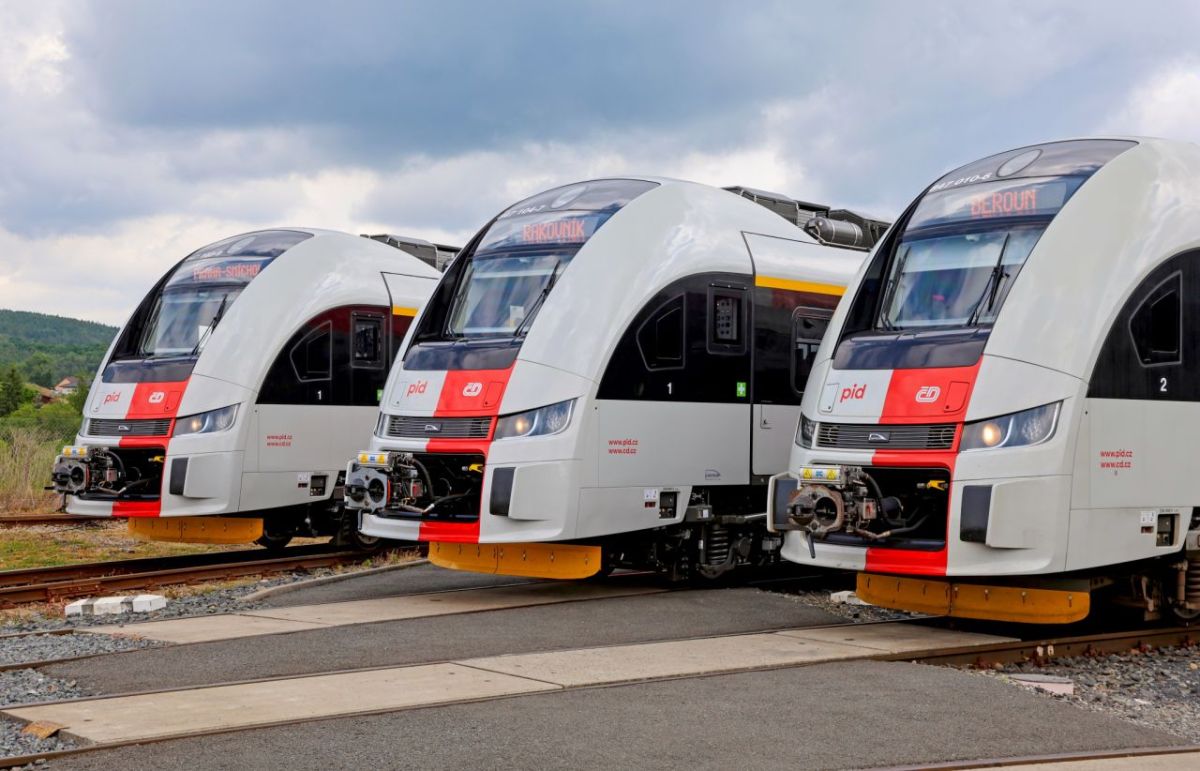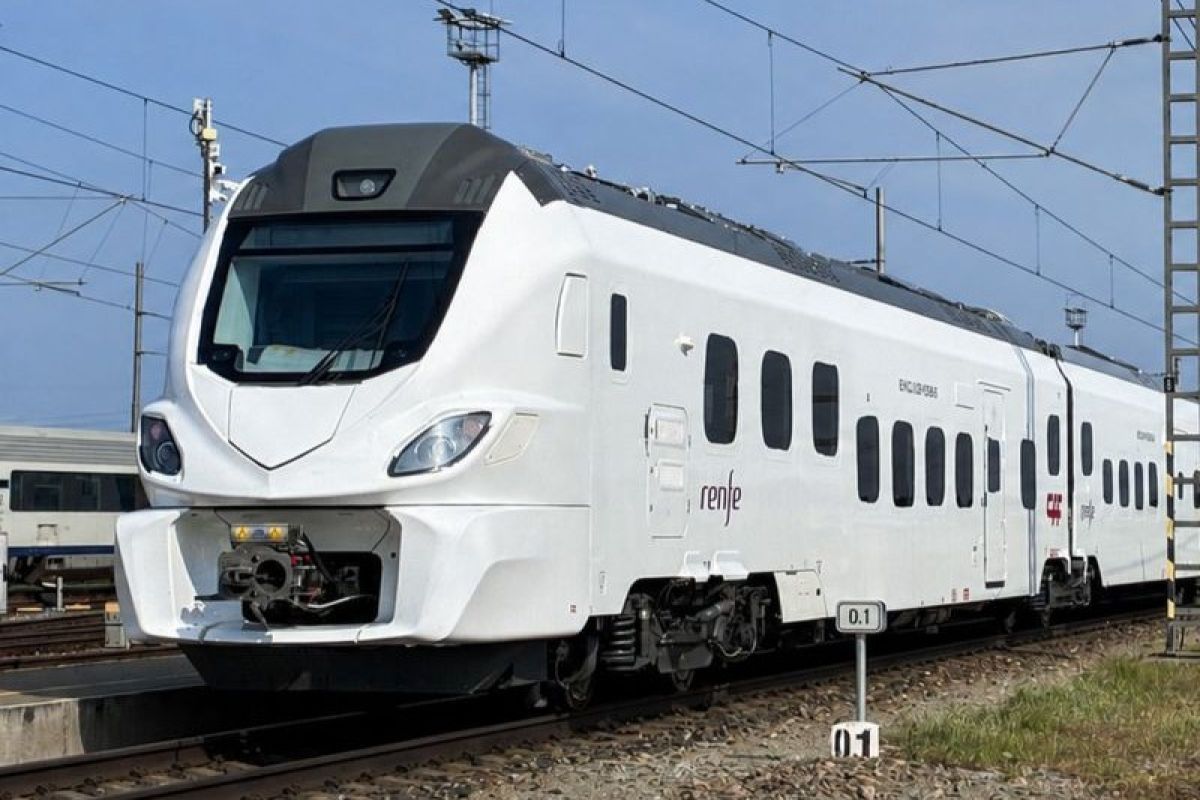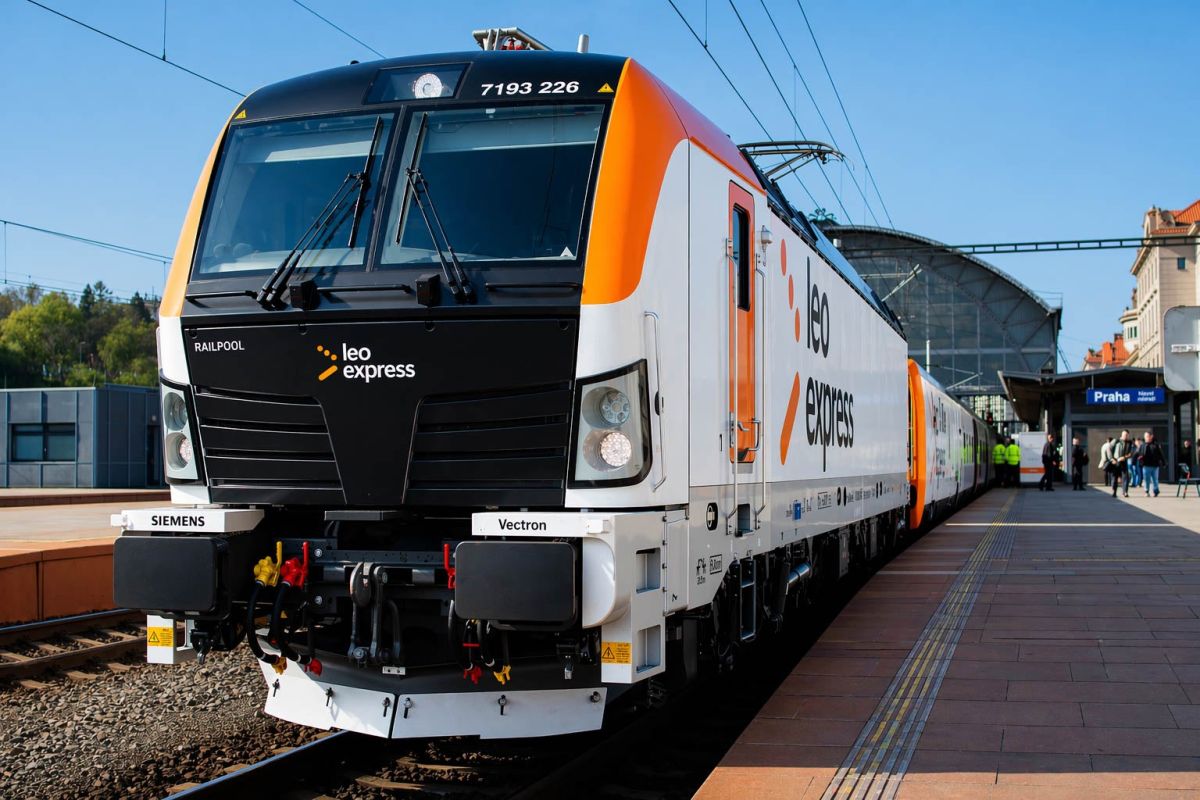
Two of the three Spanish-built trainsets introduced on 30 April are currently out of service, leaving Leo Express to cancel a substantial share of its newly announced services through May.
The Talgo sets were presented as a step change for the Prague – Olomouc – Bratislava corridor and for the revived Prague – Prešov link. Instead, the first days of operation exposed weaknesses in fleet readiness and diagram robustness. Multiple services recorded delays of several hours on the launch day, with knock-on effects across the tightly structured circulation plan.
The operating model relies on short turnarounds at terminal stations, in some cases under 40 minutes. With only three trainsets in the pool, any technical defect or delay immediately affects subsequent departures. This vulnerability became apparent on day one, when late arrivals propagated through the timetable and required ad hoc operational interventions, including an unscheduled refuelling stop.
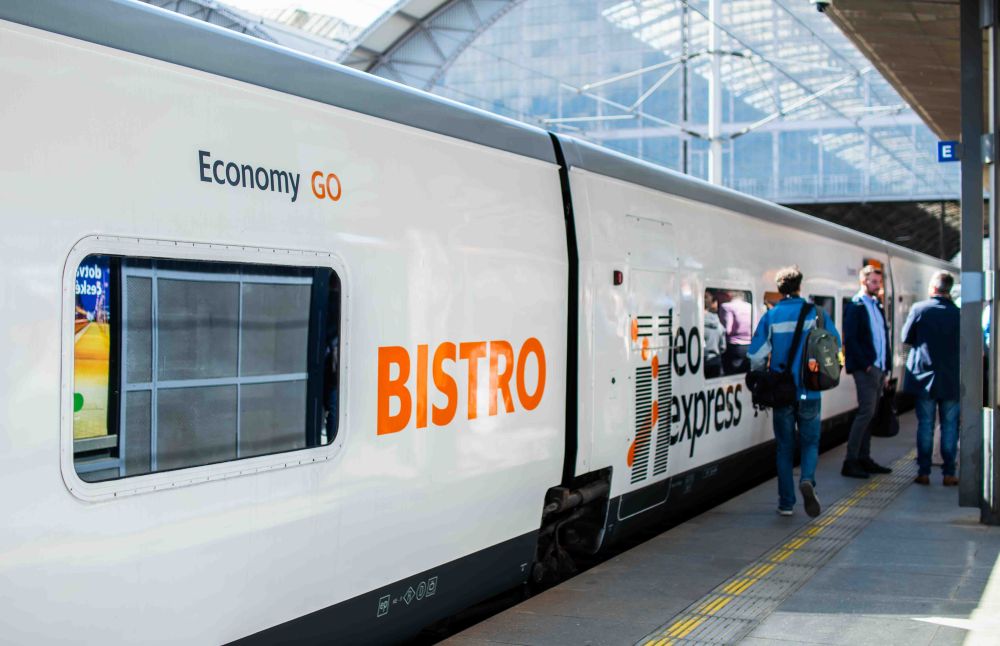
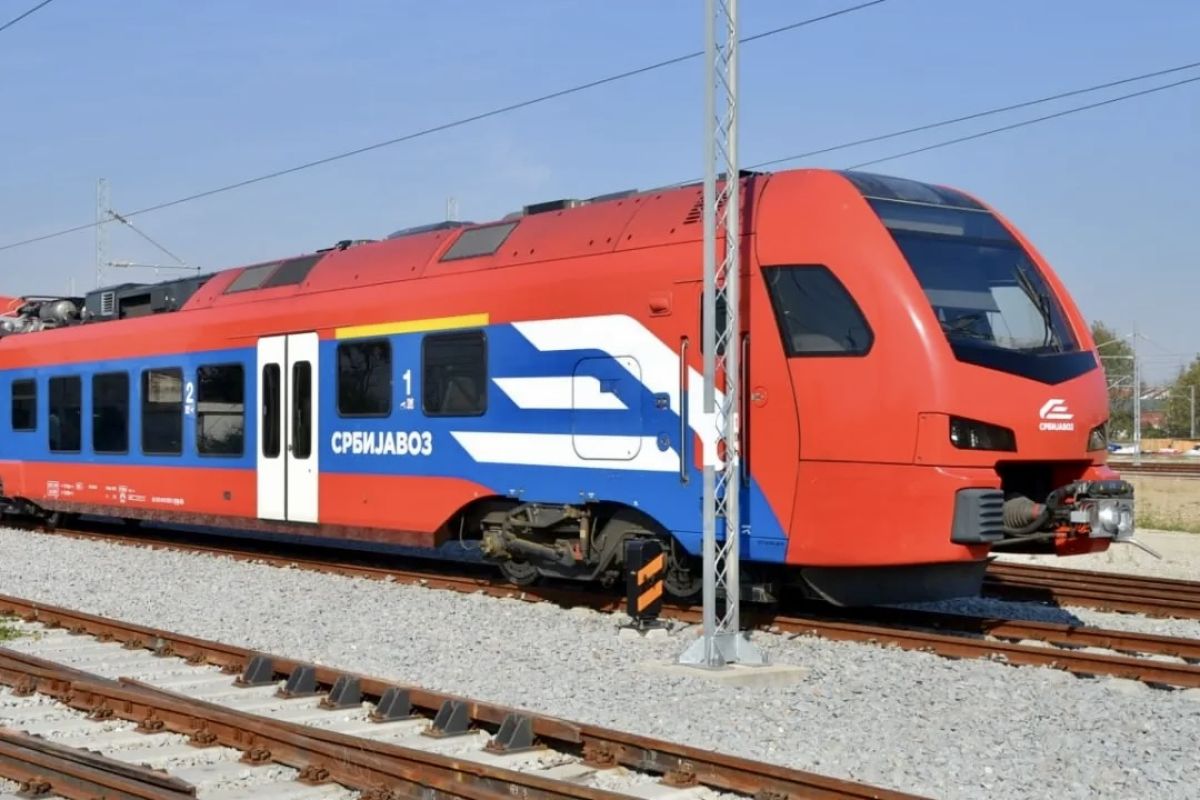
Since then, two trainsets have been withdrawn. One requires repairs following window damage caused by vandalism, while another has been sidelined due to technical faults, including door-related issues. The reduction to a single operational Talgo unit has forced Leo Express to suspend part of the planned service and to substitute a Stadler Flirt multiple unit on selected diagrams.
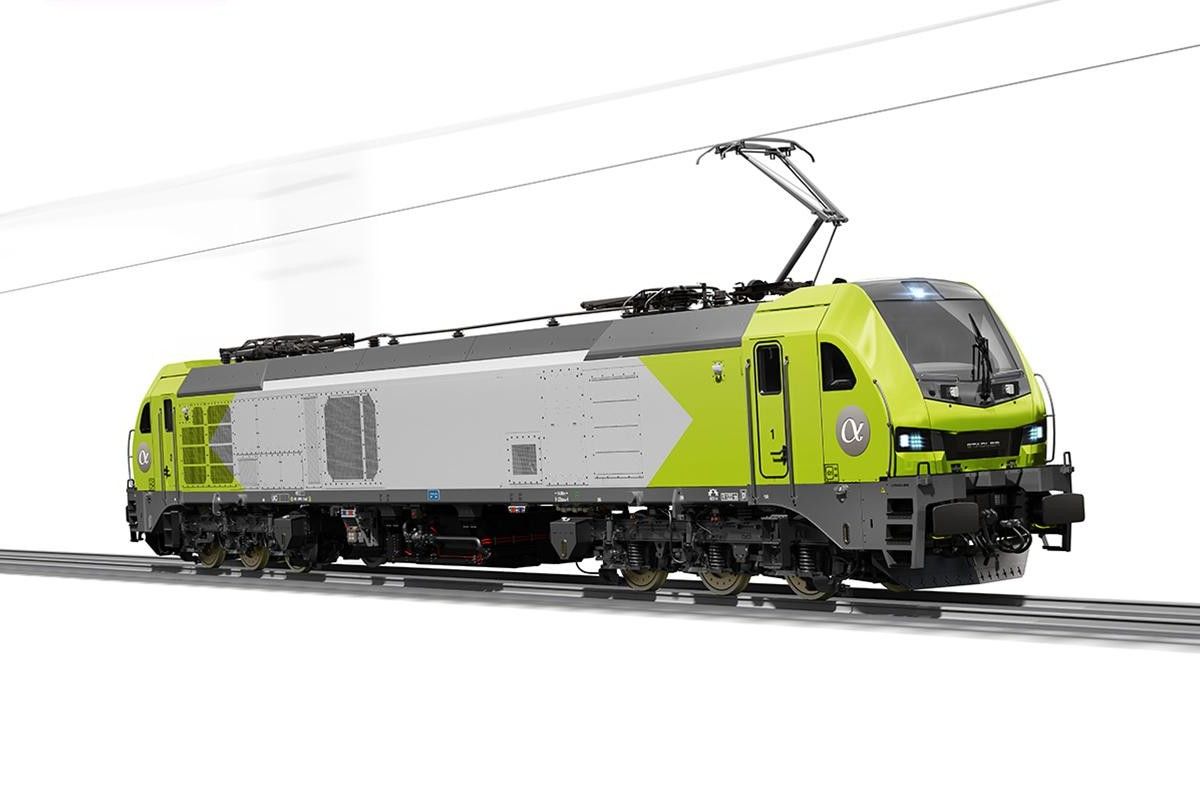
The setback is notable given the operator’s public positioning of the Talgo introduction as a milestone in its long-distance offering. The second-hand articulated trainsets, hauled by Siemens Vectron locomotives, were intended to underpin an expanded cross-border timetable. Instead, the early operational phase has highlighted the risks associated with introducing a small, non-homogeneous fleet with limited redundancy.
For the time being, the Talgo project remains dependent on the return to service of the two sidelined units and on adjustments to maintenance and circulation planning. Until fleet availability stabilises, timetable resilience on the affected corridors will remain constrained.